CBD for Dogs with Anxiety: What the Research Actually Says
CBD for Dogs with Anxiety: What the Research Actually Says If your dog trembles during thunderstorms, destroys furniture when you...
Read more

Affiliate Disclosure: This post contains affiliate links. We may earn a commission if you purchase through our links, at no extra cost to you.
For many cat parents, a trip to the veterinarian is stressful for both cat and owner. Cats often hide, vocalize excessively, or become aggressive when anxious. CBD offers a natural way to help your cat remain calmer during necessary vet care.
Unfamiliar smells, sounds, and people trigger anxiety in cats. Their sensitive nature means they pick up on stress cues from their environment and owners.
Cats feel safer when they control their environment. A vet visit removes that control, leading to fear and anxiety responses.
Give CBD 30-60 minutes before the appointment. This allows time for it to take effect, helping your cat feel more relaxed during the examination.
For vet visit anxiety, a single dose of 1-2mg CBD per pound of body weight is effective. Many cats show visible calming within 45 minutes.
Cats are picky eaters, but some respond to salmon or tuna-flavored CBD oils. Place a few drops on their paw or mix with wet food.
Small, palatable CBD chews designed for cats make dosing easier than oils for some felines.
Keep your cat in a calm environment. Avoid major routine changes. This stability helps reduce baseline anxiety, making CBD more effective.
Inform your veterinarian that your cat has received CBD. This ensures they understand any behavioral changes and can factor it into their examination and recommendations.
If your cat has chronic anxiety about vet visits, consider giving CBD regularly 1-2 days before the appointment. This builds a calmer baseline.
FDA Disclaimer: These statements have not been evaluated by the Food and Drug Administration. This product is not intended to diagnose, treat, cure, or prevent any disease.
Pet CBD dosing varies by weight and condition. For most dogs, start with 1-2mg per 10 lbs of body weight daily. For cats, use 0.5-1mg per 10 lbs. Increase gradually over 2-4 weeks based on symptom improvement. Higher doses up to 5mg/lb have shown safety in veterinary studies. Consistency matters more than dose—daily use produces better behavioral and pain relief results than sporadic administration.
Select pet-specific CBD products formulated for animal metabolism. Human-grade CBD is safe for pets but may contain flavoring or additives inappropriate for animals. Third-party testing is critical—verify heavy metals, pesticides, and potency. Avoid products with xylitol (toxic to pets). Full-spectrum pet CBD preserves beneficial terpenes that support anxiety reduction and pain relief.
Track behavioral changes, pain levels, and appetite over 4-6 weeks. Keep a simple log noting dose, time of day, and observed changes. Most pets show noticeable improvement in anxiety or pain within 2-4 weeks. Combine CBD with appropriate exercise, training, or physical therapy for optimal results. Inform your veterinarian of CBD use and dosing to avoid medication interactions.
Is CBD psychoactive for pets? No—pets cannot get “high” from hemp-derived CBD. Can CBD help older pets? Yes, especially for age-related pain and cognitive decline. Are there side effects? Mild drowsiness is most common; CBD is well-tolerated by most pets. How long does CBD work in pets? Effects typically appear within 30-60 minutes for oils, 60-120 for treats.
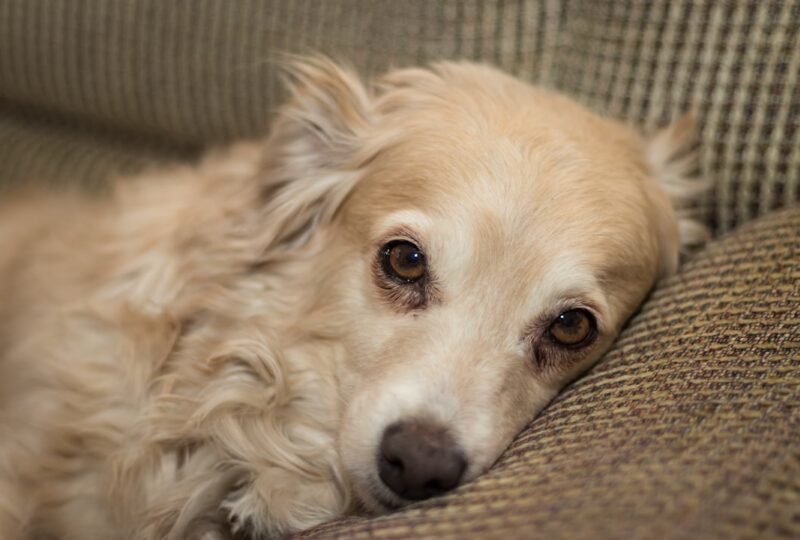
CBD for Dogs with Anxiety: What the Research Actually Says If your dog trembles during thunderstorms, destroys furniture when you...
Read more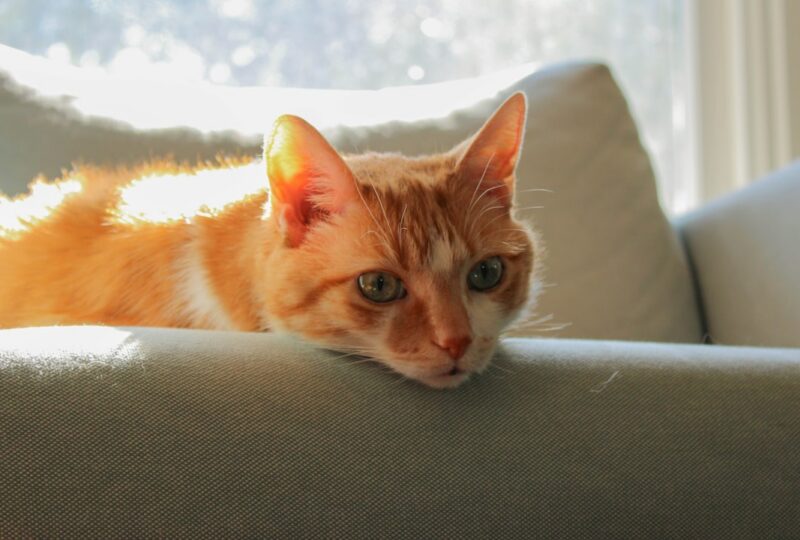
Best CBD Oil for Cats in 2026: 5 Vet-Approved Picks Your Feline Will Actually Take If your cat has been...
Read more
This article contains affiliate links. We may earn a commission from qualifying purchases at no extra cost to you. ---...
Read more
Interested in finding out more about what’s happening in the world of CBD and Medicinal Cannabis?
Head to CBD World News for the latest scientific research, clinical trials, and business news.
Abstract: Currently, there are no approved pharmacotherapies for addiction to cocaine and other psychostimulant drugs. Several studies have proposed that...
Read moreCredits: Albert Batalla†, Hella Janssen†, Shiral S. Gangadin and Matthijs G. Bossong († These authors contributed equally to this work.)...
Read moreAuthors: Kimberly A. Babson1 & James Sottile 2 & Danielle Morabito1 Publish Date: 27 March 2017 Published by: Springer Science+Business...
Read more